Meet You at the Center:
The Holistic Benefits of Creating a New Student Center at The City College of New York
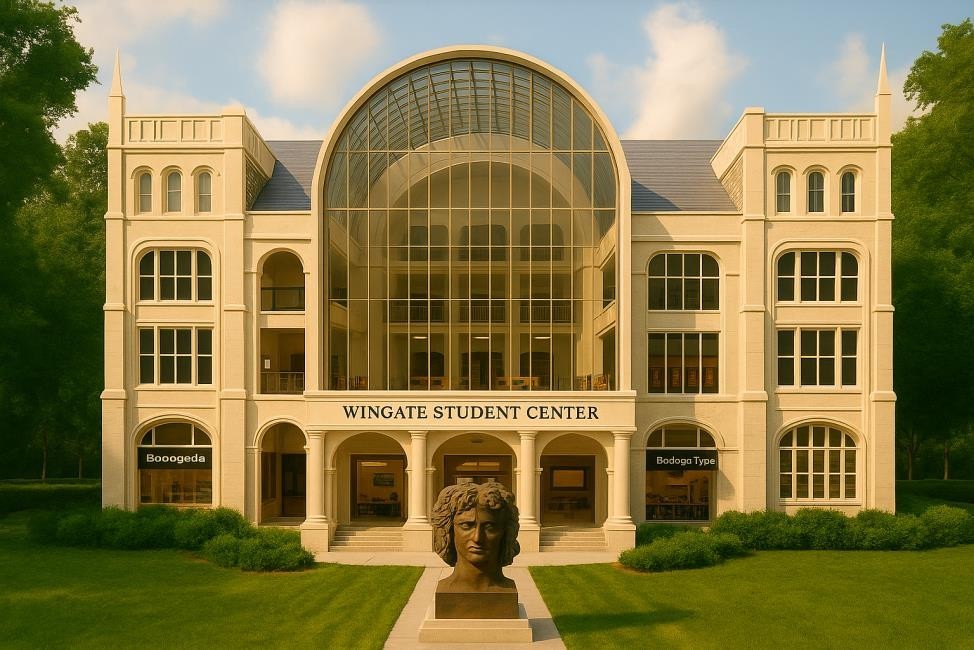
Fig. 1: Visual representation of the reconstructed student center.
November 10, 2025
The City Boys: Matthew Ebeling Furkan Bilgi Riyan Talukdar Md Rafiul Hasan Gustavo Zamora
Introduction:
Student success deals with the student’s behaviors and their college experience, the institutional conditions, and the student’s engagement. These factors nourish student success and contribute to developing a well-rounded, healthy student,” says Bryann Hoffman in his book A
descriptive study: Campus recreation and the benefits it provides college students (Hoffman, 2016, p. 4). Most people largely recognize a student’s GPA as a measurement for that student’s academic health and success, yet only a fraction of that group investigates the foundational tools that are necessary to achieve said GPA. Obvious factors such as food, clothing and shelter are understood by those interested, but what is often overlooked is the social need that we all have as humans. As shown in fig. 2, psychologist Abraham Maslow points out that humans are social creatures that depend on interaction with their fellow humans to maintain a healthy disposition. So, if meeting the social needs of students is integral to their overall academic success, the logical next step would be to look at the current efficacy of a university student center.
As I walked through the doors of the Wingate Building to investigate the current state of The City College of New York’s student center, I was immediately faced with scuffed up walls and worn-out partitions in questionable conditions. However, the pool tables were surrounded by a lively group of guys, and the surrounding tables were occupied by smiling couples. Now it’s reasonable to brush aside anecdotal evidence, but as shown in fig. 3, my team conducted a random survey of 100 students on campus and found that over 50% had visited this same student center. So, if people are showing up in sizable numbers to less than ideal conditions, a face lift would exponentially elevate these numbers. And with it, the success of students would be bolstered, causing a domino effect that would reach the desk of CCNY’s president, Vincent Boudreau.
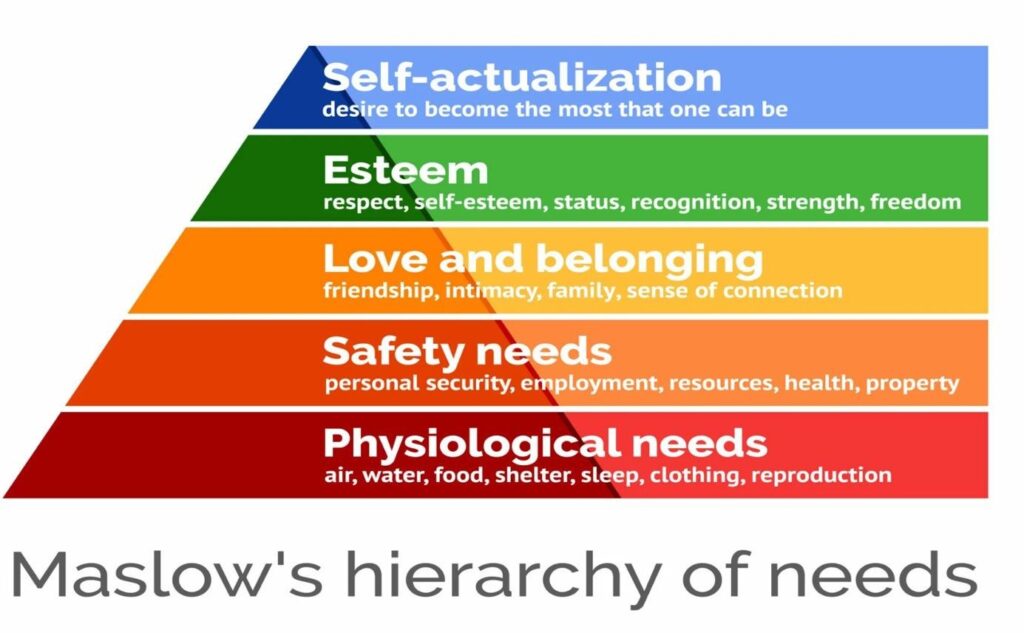
Fig. 2 Abraham Maslow’s hierarchy of needs.
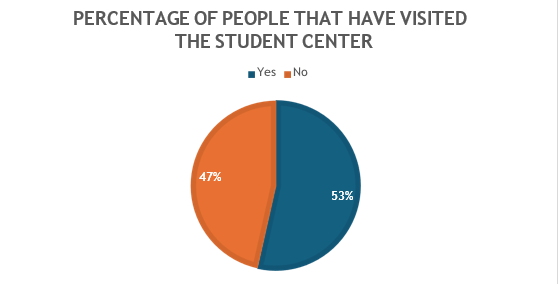
Fig. 3 Percentage of students who have visited The City College of New York’s student center.
All of us know what it is to start our day in front of our closet, thumbing through the clothing inside to prepare ourselves for what the day holds. And actualizing a structural alteration is no different when considering the myriads of choices one must pick from. Caitlyn Wine points this out in her article Student centers: The intersection of campus ecology and sense of
community when she says, “understanding the attributes of successful spaces can help higher education leaders intentionally design facilities” (Wine, 2025). Since the building and its internal design are currently problematic on many levels, my team decided on reconstruction rather than renovation. This carries a hefty price tag, but when looking at the final score board of New York City’s recent mayoral race, the name Zohran Mamdani shines a little brighter for me and our team. Assessing Mamdani’s overall focus on elevating minority communities, which make up nearly the entirety of CCNY’s student body, as well as his political reach, he will be one of the most critical sponsors we approach to achieve our financial needs. Not only will this move us closer to our goal, but it would build powerful institutional bonds and place CCNY’s name and its top faculty in the public eye. With our intentional foundations stated, the logistics of our proposed renovation come into sight.
Action Plan
Students at The City College of New York deserve a new student center — one that feels open, inclusive, and inspiring rather than confined or outdated. The Wingate Student Center is designed to be that space: a modern hub that balances study, relaxation, and community life. It blends CCNY’s historic Gothic identity with sustainable materials and modern design elements to create a campus landmark that encourages both productivity and connection.
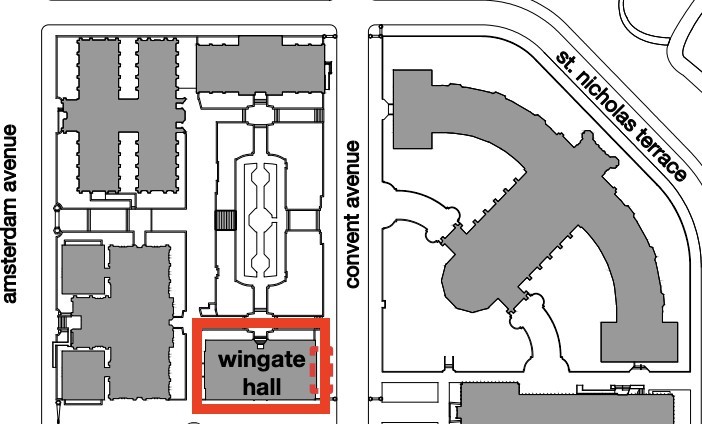
Fig 3.1 Visual layout of location/site plan
The proposed Wingate Student Center will be constructed at 200 Convent Avenue, New York, NY 10031, replacing the existing Wingate Hall. Due to the outdated infrastructure and limited accessibility of the current building, it will be demolished and reconstructed on the same site. This location was carefully selected for its central position on campus, surrounded by Shepard Hall, Baskerville Hall, and other key academic spaces, making it easily accessible to all students.
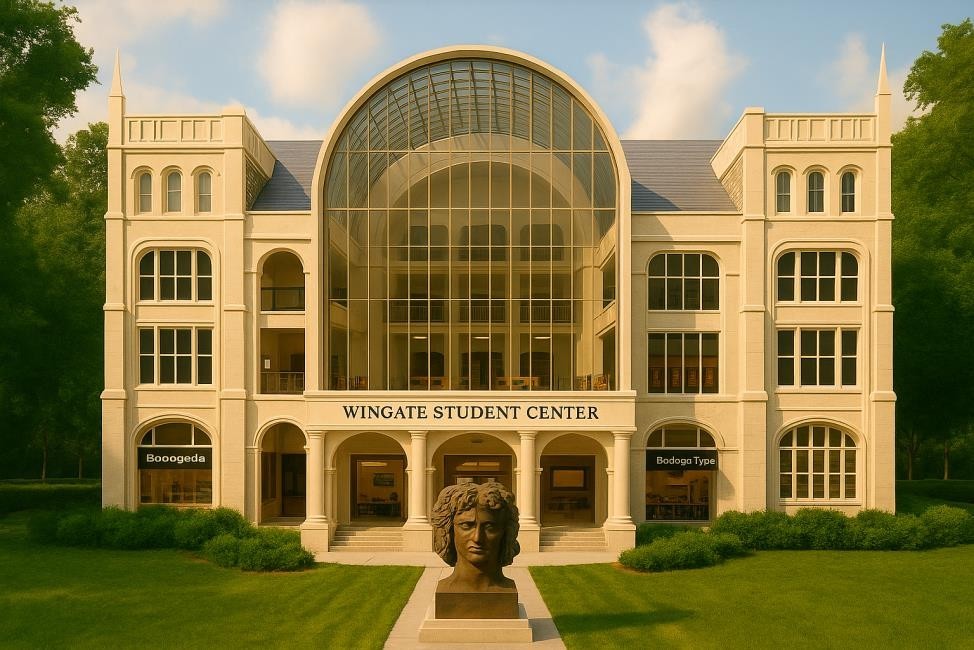
Fig. 4 Visual representation of the reconstructed student center
The new student center will consist of three floors and a basement, totaling approximately 18,000 square feet. Each level has been thoughtfully designed to serve a unique purpose — the first floor as a social and dining space, the second as a hub for recreation and creativity, and the third as a wellness and fitness center. The basement will provide additional storage and maintenance facilities to support daily operations.
From the outside, the Wingate Student Center captures attention through its grand glass atrium framed by Gothic-style stone arches. “Wingate Student Center” is engraved in bold, elegant lettering above the entrance, welcoming students and visitors alike. The surrounding
green spaces and ivy-covered walls create a calm and refreshing atmosphere that reflects the harmony between history, nature, and innovation.
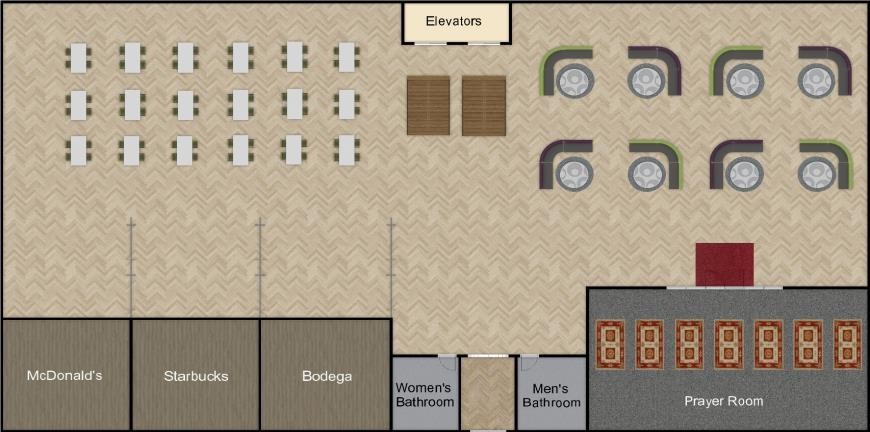
Fig. 5 Visual layout of the first floor of the new student center.
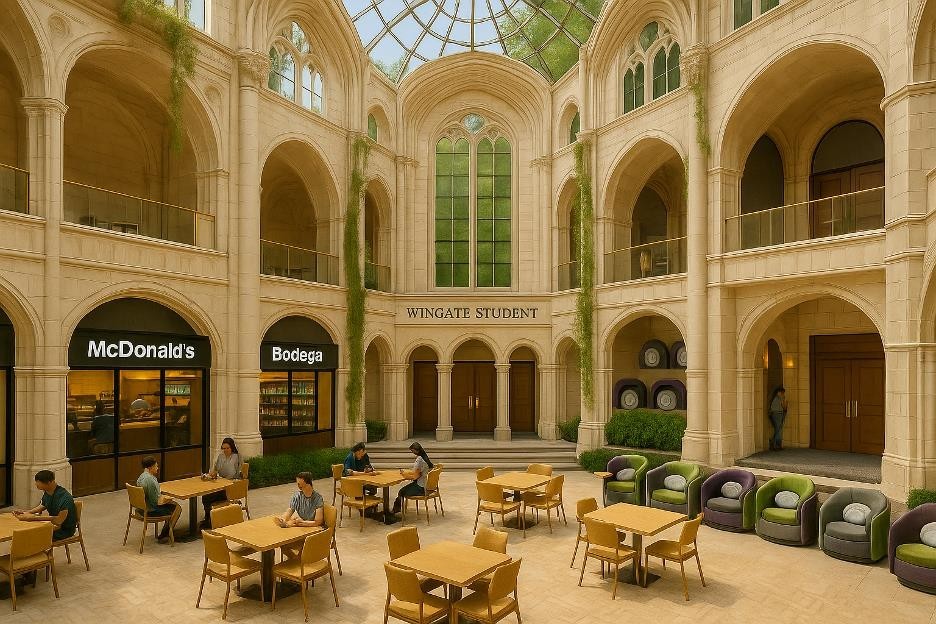
Fig. 6 Visual image of the first floor of the new student center.
As students enter, they step into a bright, open lobby designed to feel both energizing and relaxing. The first floor is the heart of the community, featuring a food court with McDonald’s, Starbucks, and a local-style bodega. Warm tones, natural light from the glass atrium, and greenery hanging along the walls create a welcoming and peaceful atmosphere. Students can gather around tables, relax on comfortable couches, or enjoy a quick coffee before class. This initial space
encourages social interaction and provides an ideal environment for studying, dining, or simply spending time with friends.
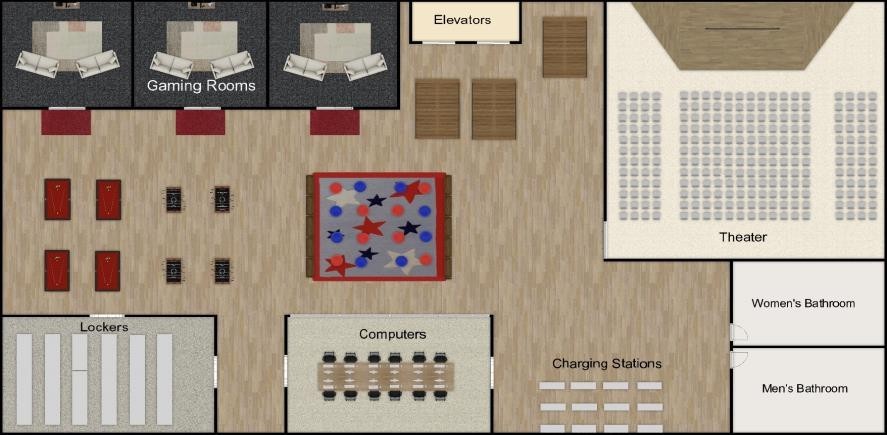
Fig. 7 Visual layout of the second floor of the new student center.
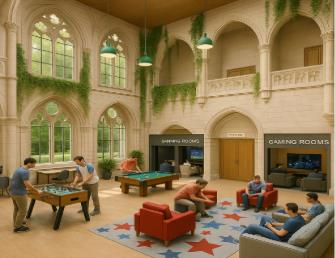
Fig. 8 Visual image of the second floor of the new student center.
The second floor is dedicated to entertainment, creativity, and social connection. Students can relax and play games in one of three gaming rooms, each equipped with PS5s, Xbox consoles, and Nintendo Switch stations. Comfortable seating, stylish lighting, and sound- insulated walls ensure a fun and immersive experience. In the open area, students can enjoy games of pool, foosball, or board games with friends. A cozy computer lounge provides
additional options for online gaming or social media browsing. Next to this space, the modern theater room offers a dark, cinematic setting with soft green lighting and plush seating, making it perfect for movie nights, performances, and student-led cultural events. This level provides a perfect balance between relaxation and recreation.
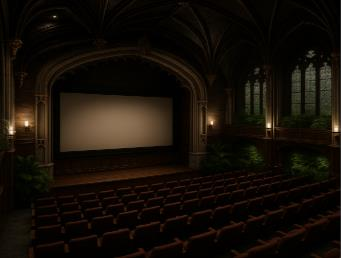
Fig. 9 Visual image of the theatre of the new student center.
The third floor is dedicated to fitness and well-being, featuring a fully equipped gym for both cardio and strength training. Modern equipment, mirrored walls, and warm wooden flooring create a professional and motivating atmosphere. Large windows and skylights allow natural light to flood the area, promoting energy and positivity throughout workouts. The clean design and open layout make the gym both functional and inviting, encouraging students to prioritize physical health and community wellness.
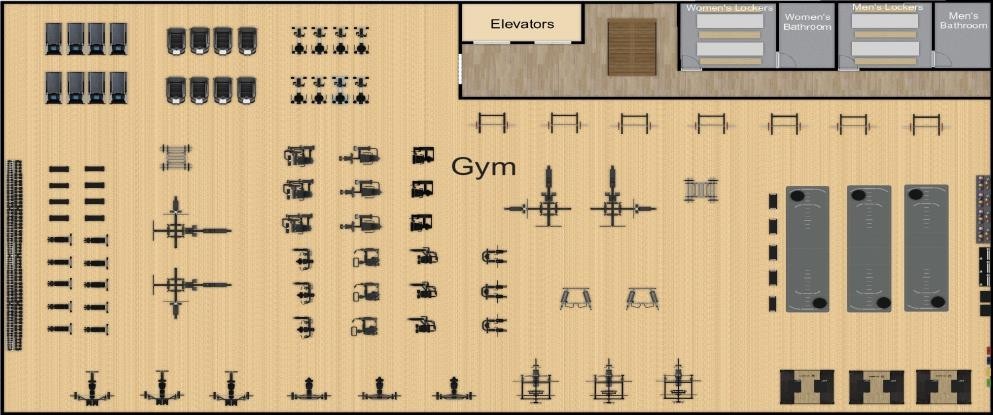
Fig. 10 Visual layout of the third floor of the new student center.
In line with CCNY’s environmental goals, the building integrates solar panels, energy- efficient lighting, and a rainwater reuse system. Ramps, elevators, and tactile signage ensure that every part of the center is accessible to all students.
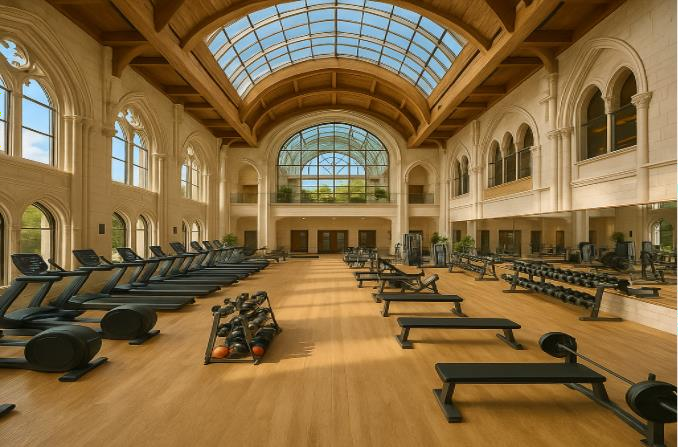
Fig. 11 Visual layout of the GYM of the new student center.
Beyond functionality, the design of the Wingate Student Center draws inspiration from Shepard Hall’s Gothic architecture, CCNY’s most iconic structure. Its tall arches, limestone
detailing, and glass atrium celebrate the college’s heritage while representing its forward-looking spirit. By integrating nature through greenery, light, and open design, the Wingate Student Center emphasizes well-being, sustainability, and creativity. The result is a space that connects CCNY’s past, present, and future, serving as a place where students can thrive academically, socially, and personally.
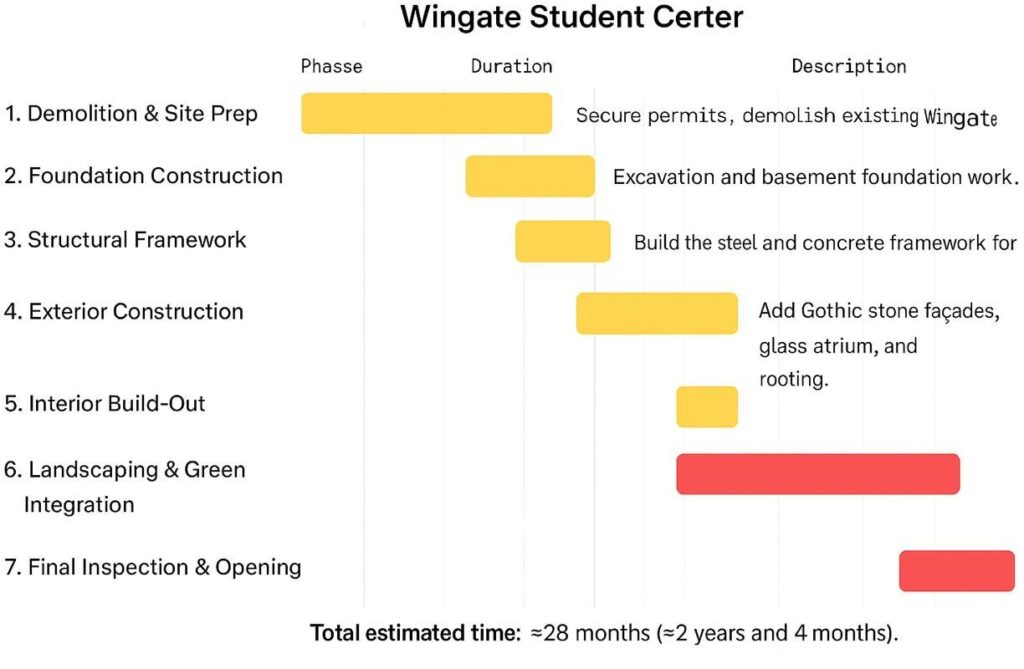
Timeline & Construction Plan
Costs and Benefits:
Below is a breakdown of expenses for the proposed reconstructed student center. Our estimated total is just over $23 million.
| Number of Items: | Number of items / sq feet expenses | Total costs in dollars: |
| Tables | 20 | $9,000 |
| Chairs | 200 | $15,000 |
| Couch/sofa | 20 | $32,000 |
| Gaming Computer sets | 10 sets | $10,000 |
| Moving and storage | 18,000 sq feet | $720,000 |
| Charging station | 5 (32 stations on each) | $15,000 |
| Construction cost per SQ feet | $300 per sq feet 300 x 18000 | $ 16,200,000 |
| Theater | 150 per sq foot and screens and chairs | $750,000 |
| Elevator | One | $70,000 |
| Misc cost | $5,000,000 | |
| Demolishment cost | $500,000 | |
| Total | $23,321,000 |
Benefits:
Yelena Mclane and Nadya Kozinets put it best in their article Spatiality, experiences, and the formation of place attachment at campus student life centers when they stated, “Colleges and universities strive to be environments that will help students to engage actively in their own educational journeys while contributing to a sense of community and affiliative student (and eventually alumni) identity” (Mclane & Kozinets, 2019). And there are a variety of benefits that an efficient student center contributes to its student community. The clearest way is that it helps students to relax in their free time as well as connect with fellow students and friends. It helps in the long run for careers or internships, as they will connect with others with whom they might work in the future. We will cover physical nourishment with a food court where students can buy food and eat with their friends, boosting their mental health. Our student center will have comfortable seating that can be utilized for eating meals, studying, and hanging out. We also added phone charging stations with locks, so their phones will be kept safe while charging. We will add a lounge section with couches and sofas where students can relax in their free time. A spacious movie theater will be a part of the student center as well that will screen student movies and crowd favorites at an affordable price. As far as the flow of movement is concerned, we will have stairs and an elevator so that it will be inclusive and accessible for all students on campus.
Experience:
The City Boys consist of an international group of young students who are committed to applying their cultural diversities and individual strengths toward reconstructing a student center for The City College of New York aimed at uplifting overall student well-being.
Matthew Ebeling is a first-year student at The City College of New York where he is majoring in mechanical engineering. With over 15 years of experience in independent clothing design and the visual arts, he carries with him a fluency in the details necessary in creating a product that is pleasing to the eye. His extensive background in club management and service industry leadership roles allows confidence in maintaining effective task management.
Matthew’s seasoned knowledge in group operations and attention to fine detail will be integral in utilizing necessities in constructing a welcoming student center.
Furkan Bilgi is in his junior year at The City College of New York where he is majoring in computer science and is passionate about technology and design. He excels in building websites and navigating the possibilities that technology offers in social connectivity and community-based improvement. Growing up in Turkey, matched with his college level studies in New York City, his cultural perspectives and social abilities exceed those of many. His organized approach to work and adherence to critical details make him a strong team member in designing a modern and inviting student center.
Gustavo Zamora is a first-year student majoring in mechanical engineering at The City College of New York. The multiple years he spent in AP courses, such as Calculus, Physics, and Computer Science, bolstered his critical thinking and higher-level problem-solving skills. His love of physical activity is exhibited in the dedicated years he spent with his soccer team where he acquired an elevated understanding of teamwork. The amalgamation of notable skills such as advanced levels of focus, dedication and social cohesion, only elevate him to the role of a formidable team member.
MD Rafiul Hasan is a second-year student at The City College of New York majoring in computer science. He stood as one of the captains on his RFK High School baseball team where he accumulated certainty in leadership skills. He acquired key administrative experience through his recent internship at the South Asian council and draws strength from his connection to family and social interests such as soccer. His sensitivity to social cues and emphasis on the health of communities will contribute to the production of an inclusive student center focused on the needs and wants of its students.
Riyan Talukdar Lifat is in his first year studying computer science at The City College of New York. Being the co-owner of The Port of Peri Peri restaurant in New Jersey, he has acquired the skills necessary to successfully manage groups holding diverse personalities. Riyan is also actively involved in non-profit work where he helps underprivileged Bangladeshi communities and children. Born in Bangladesh and migrating to New York City to further his studies, he has increased his mindfullness of cultural differences that have expanded his constellation of social awareness. His acute understanding of cultural diversity and management imperatives will hold a sizable weight in his addition to the construction of a beneficial and appealing student center.
Conclusion:
Our research, student observations, and survey results reveal a clear institutional need. The City College of New York should invest in a modern, welcoming and accessible student center. The overall success of students depends not just on their academic engagement but also on an environment that supports mental well-being, and a sense of community. Despite older building and poor facilities of CCNY’s current student center, students continue to visit and spend their time in there, showing a strong demand for a high-quality, modern, and effective campus space.
The proposed new building directly meets students’ needs. Its modern structure, design, spacious lounges, updated gaming areas, upgraded gym facilities, and accessible dining create an environment that strengthens community bonds and supports the psychological foundations of student well-being highlighted by Maslow. This is not a construction project. It is an institutional strategy to improve student experience, academic performance, and build long-term campus pride. Although the investment is big, the long terms gain in student success, engagement, alumni loyalty and CCNY’s public reputations justify the cost. This space will become the heart of the campus, where students find support, friendship, and opportunity.
To keep the new student center accessible and impactful in the long term, some strategic steps will be taken. A student council that includes students with disabilities and cultural leaders will run an app-based survey to learn about student needs and add necessary resources as wants change. We will install artificial intelligence throughout the building to improve convenience, fairness, and personalization in a rapidly changing world. Features will include AI-powered wayfinding kiosks that provide directions, event information, and available room in multiple languages. AI that identifies available quiet spaces, and accessible seating in real time. Virtual Student Support Agent, available on the center app, will offer study tips, wellness, tutoring
connections, and campus resources. An automated room-booking will offer recommendations, where suggestions of the most effective study rooms or workout times based on student schedules and room usage data. We will also include a mini-library that will offer short-loan textbooks, group study, comfortable and safe seating, and AI research kiosks that help students find articles, generate citations, and connect with CCNY databases. The student center will also host career workshops, mock interviews, startup help, and wellness sessions for students to prepare students for their future careers.
References:
Hoffman, B. (2016). A descriptive study: Campus recreation and the benefits it provides college students. ProQuest
Mclane, Y., & Korinets, N. (2019) Spatiality, experiences, and the formation of place attachment at campus student life centers. Gale Academic OneFile. https://go.gale.com/ps/i.do?id=GALE%7CA584328140&sid=googleScholar&v=2.1&it=r&linka
ccess=abs&issn=01463934&p=AONE&sw=w&userGroupName=nysl_oweb&isGeoAuthType=t
Wine, C. A. (2025). Student centers: The intersection of campus ecology and sense of community. Georgia Southern Commons. https://digitalcommons.georgiasouthern.edu/cgi/viewcontent.cgi?article=4160&context=etd

